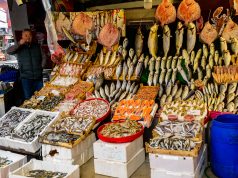
At the edge of Jeddah Islamic Port, where the Red Sea meets the city, the Jeddah Fish Market comes alive each day with color, movement, and sound. Although Jeddah is home to several fish markets, none is as busy or as well known as this one. Long before noon, fishermen, fishmongers, chefs, and professional buyers gather beneath its aging roofs, preparing for the daily rhythm of trade.
The market is more than a place to buy fish—it is a meeting point. Local residents shop alongside restaurant owners, while seasoned traders negotiate prices in fast-paced auctions. Fresh catches are displayed on ice as buyers inspect, bargain, and bid, creating a lively atmosphere that reflects Jeddah’s long relationship with the sea.
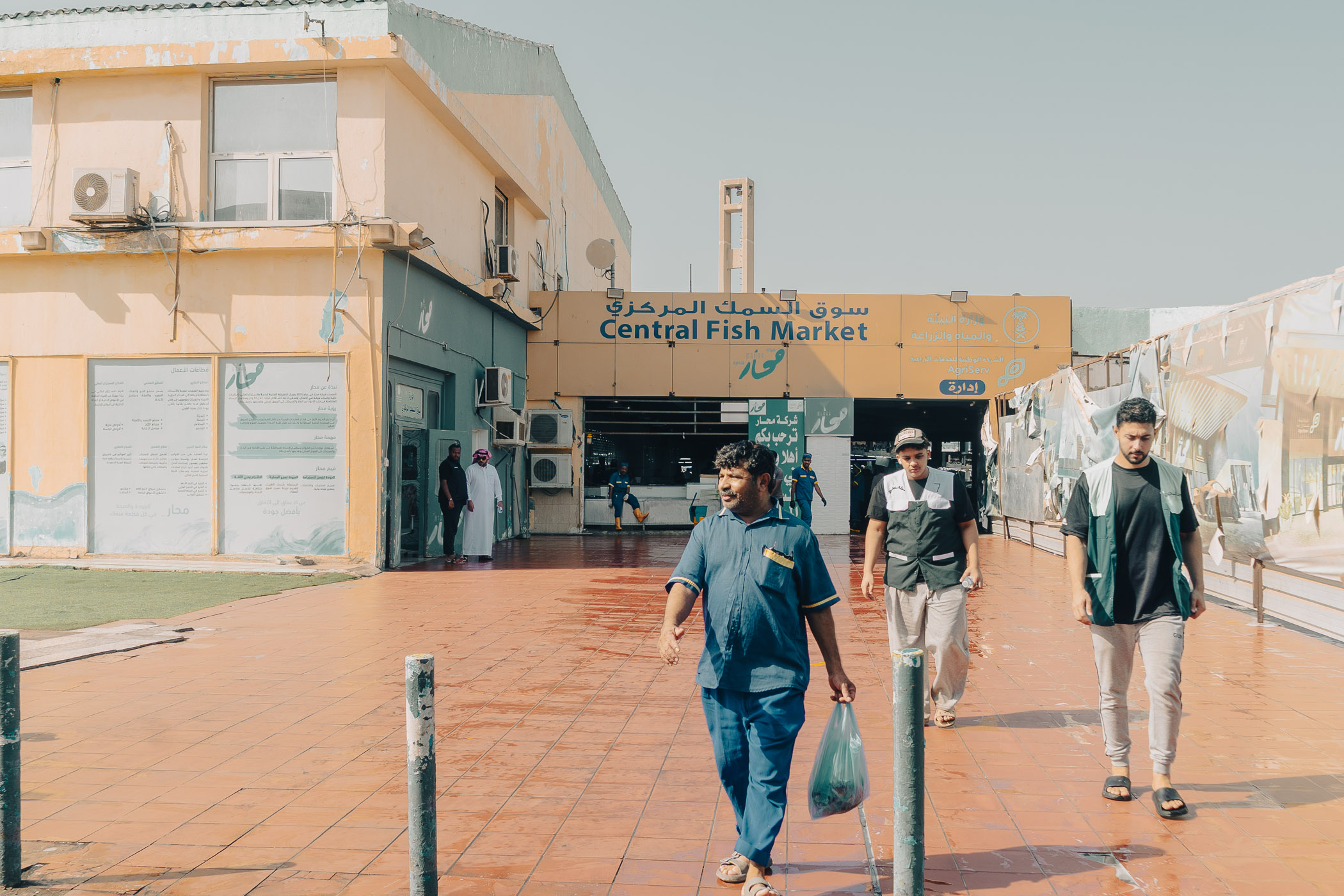
The Jeddah Fish Market
Credit: Ady Candra / Shutterstock.com
Despite its relatively small size and old buildings, the Jeddah Fish Market plays a vital role in the city’s food supply. It provides an important source of protein for both local residents and the large expatriate population that lives in Jeddah, a major commercial hub of Saudi Arabia. The market’s significance lies not in modern design, but in daily necessity.
In the past, this complex also served as a fishing port for small-scale local fishermen who worked the waters of the Red Sea. Today, its role has changed. While some fish still come from nearby coastal waters, much of the supply now arrives from across Saudi Arabia or is imported from abroad, including Indonesia and other major fish-producing countries.
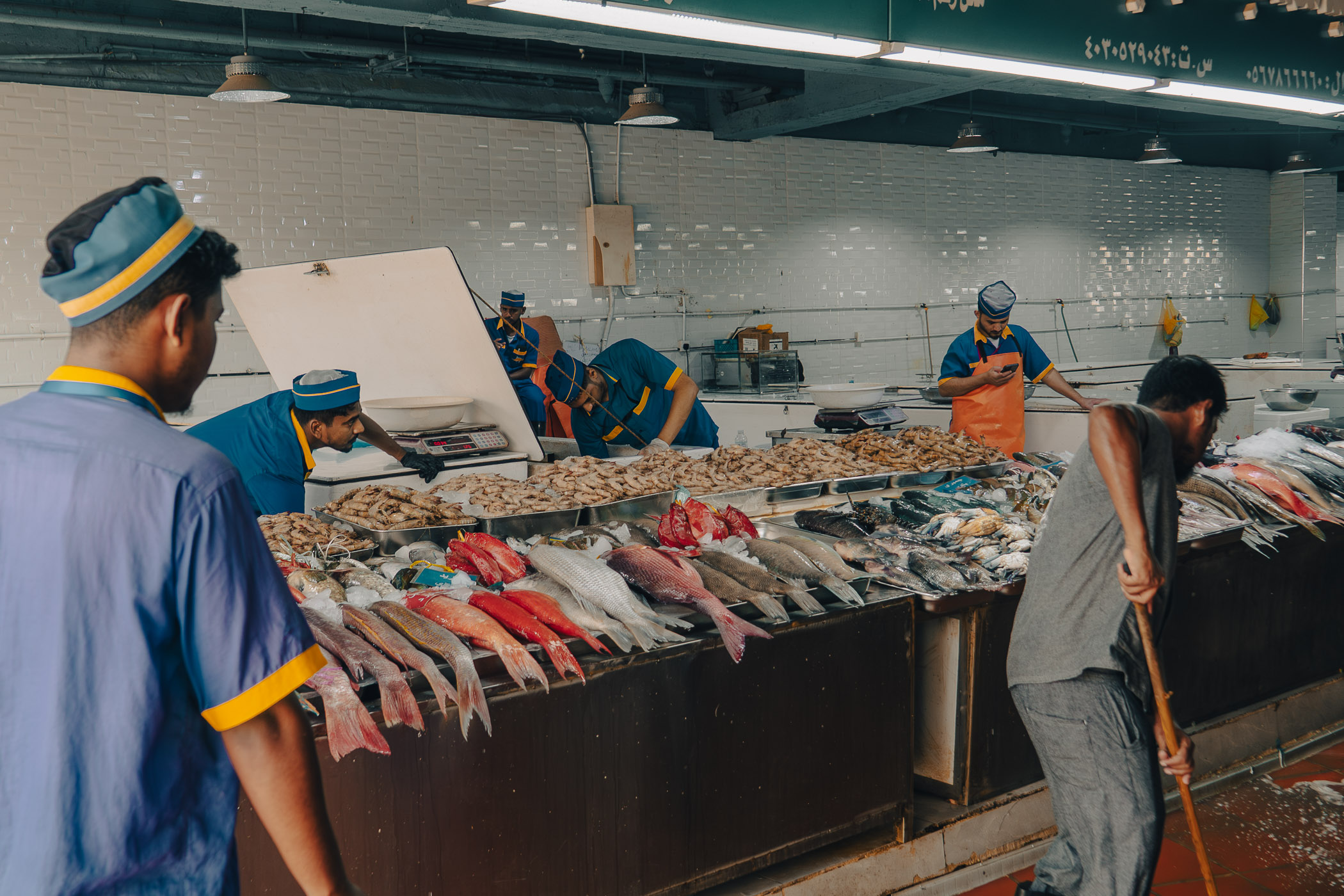
The fish mongers in The Jeddah Fish Market
Credit: Ady Candra / Shutterstock.com
Even as Jeddah continues to grow and modernize, the fish market remains a reminder of the city’s maritime roots. Here, the story of the Red Sea is told not in books or museums, but in the scent of salt air, the clatter of crates, and the steady exchange between people and the ocean that has sustained them for generations.
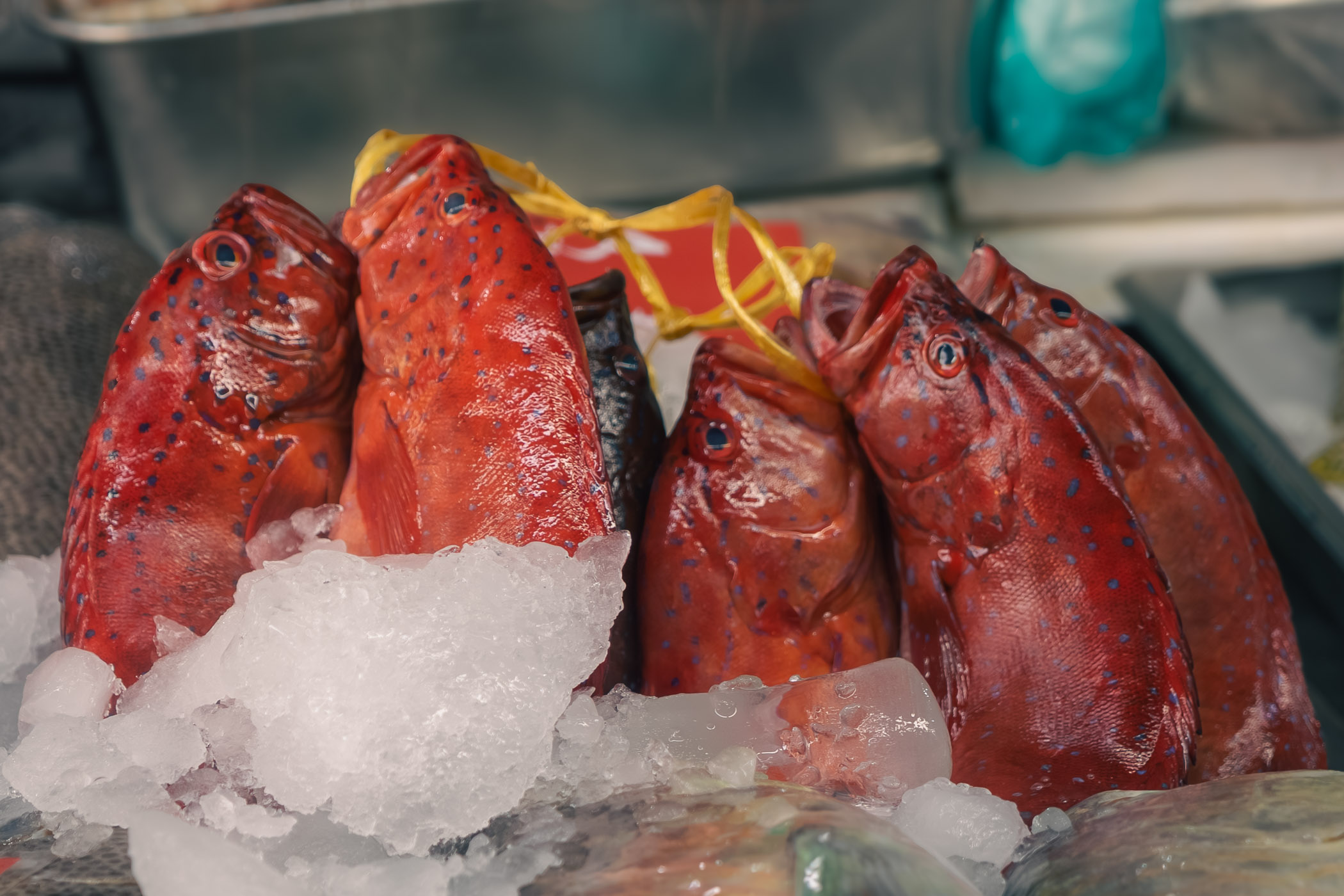
The Red Leopard Coral Grouper, is one fish species that imported from Indonesia
Credit: Ady Candra / Shutterstock.com